-
Copenhagen, April 2025
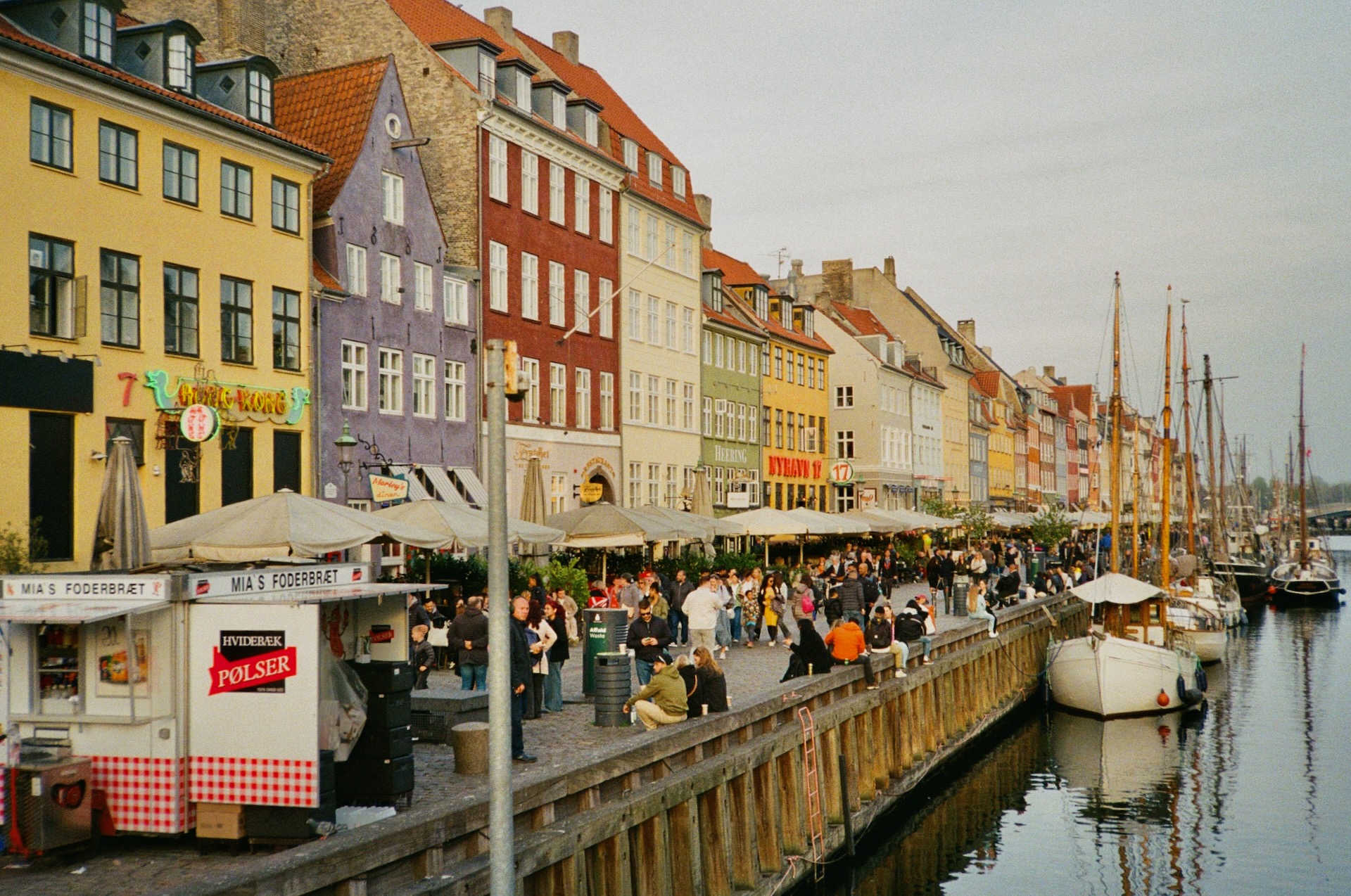
Nyhavn 
Trekroner fort 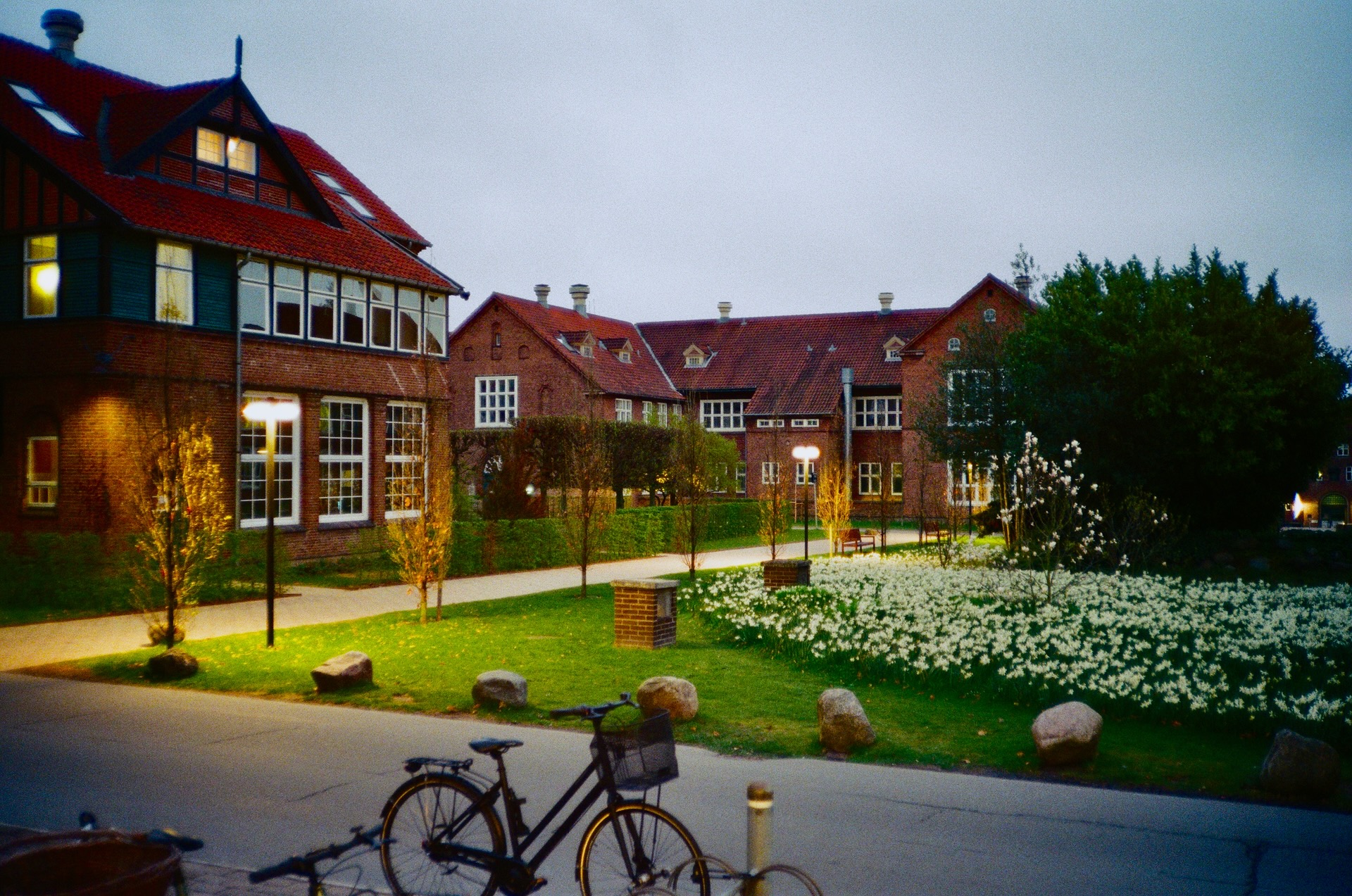
Bispebjerg hospital 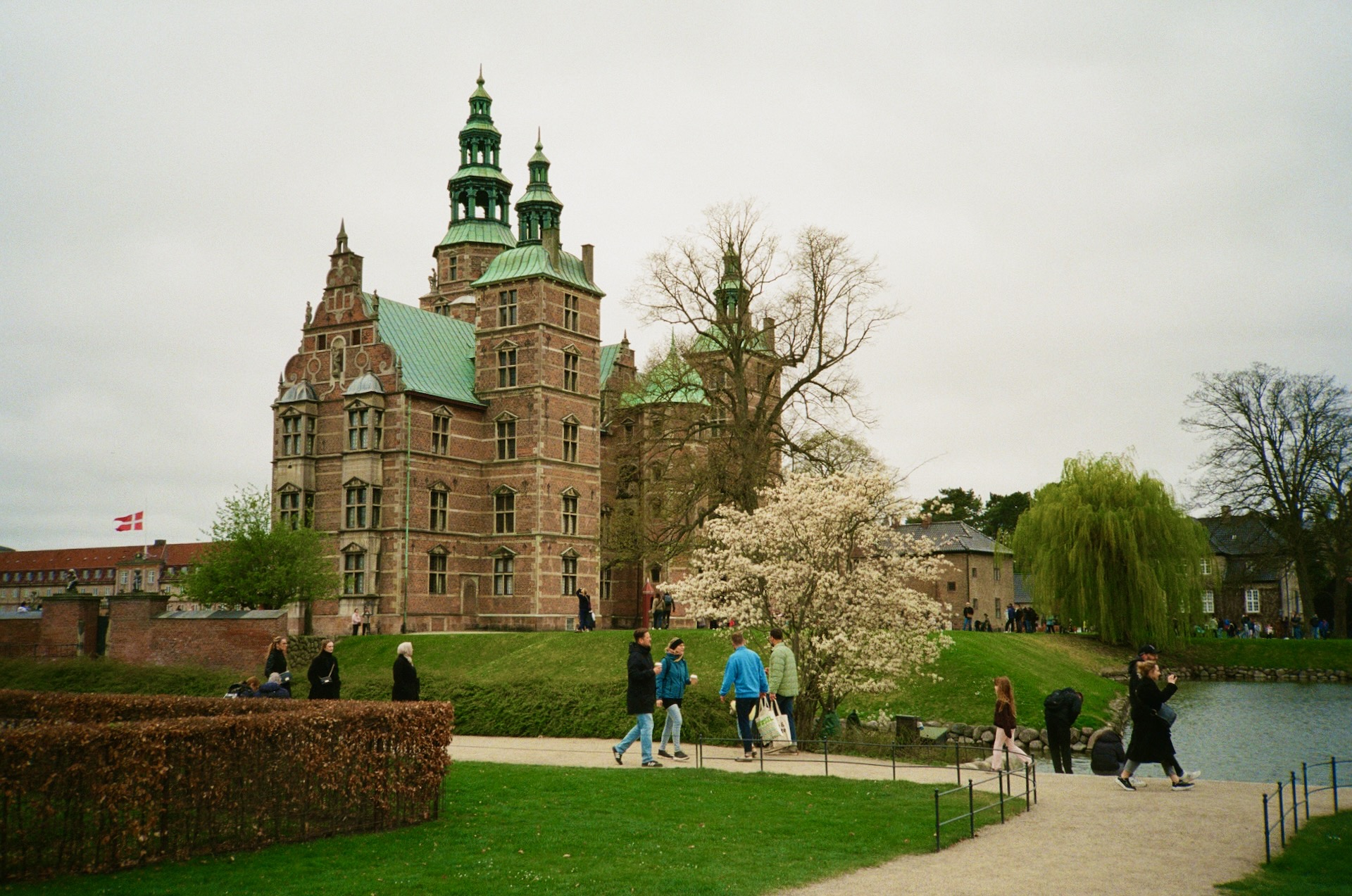
Rosenborg castle Shot on Kodak Ultramax 400 with Olympus XA
❦ -
Helsinki, April 2025

Sörnäinen prison 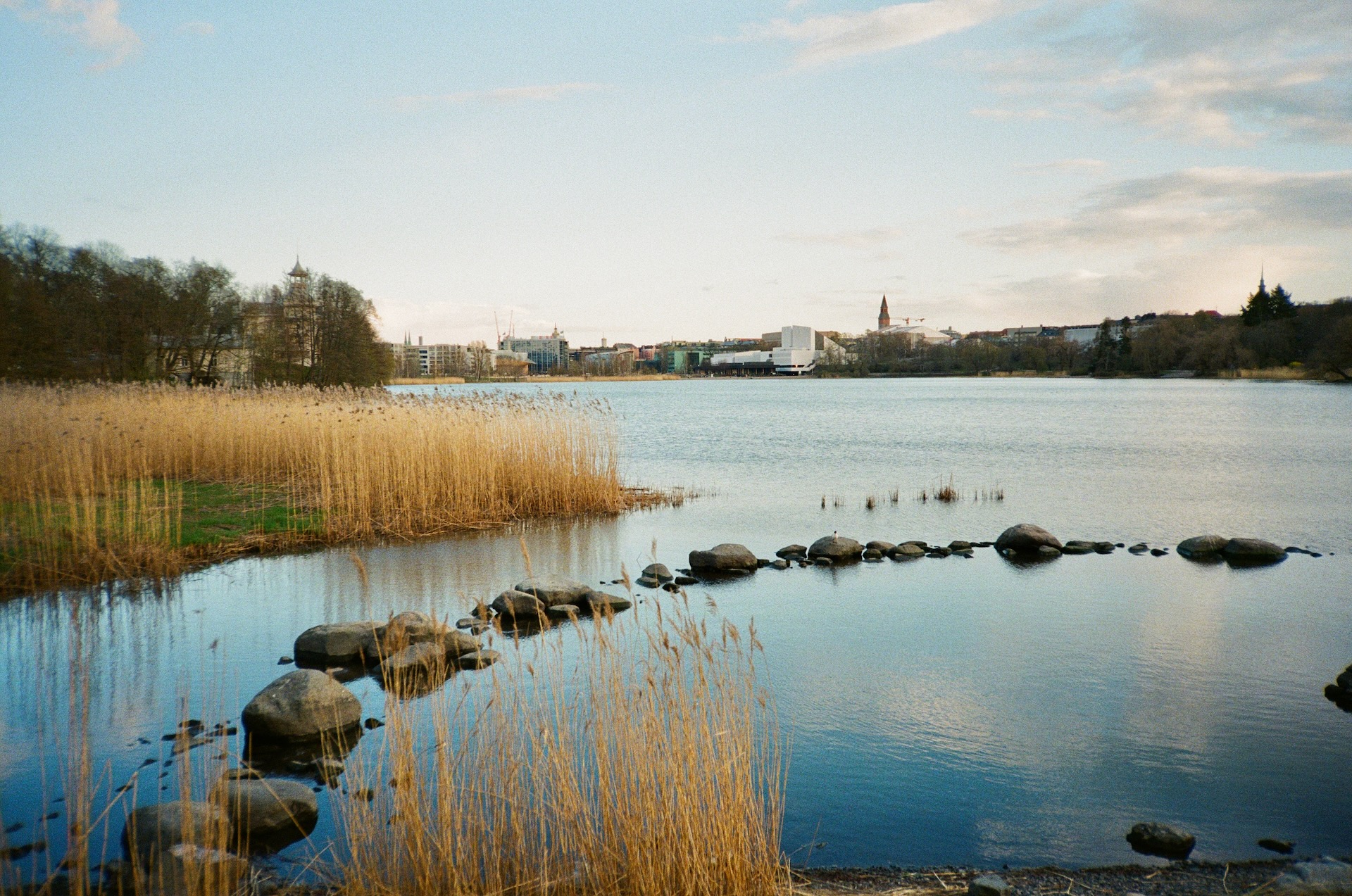
Töölö bay 
Hanasaari power plant 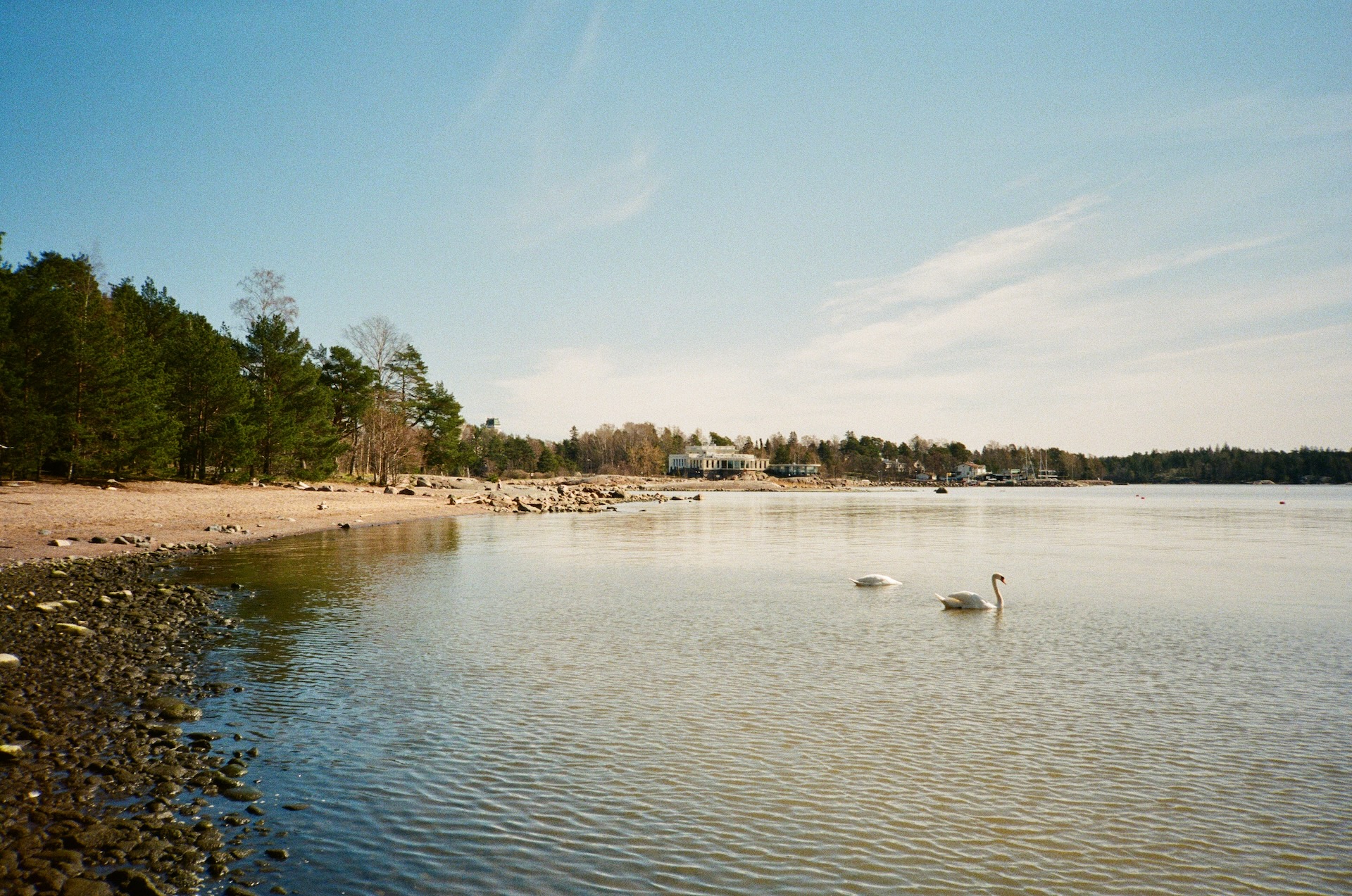
Mustikkamaa Shot on Kodak Ultramax 400 with Olympus XA
❦ -
Living without a smartphone
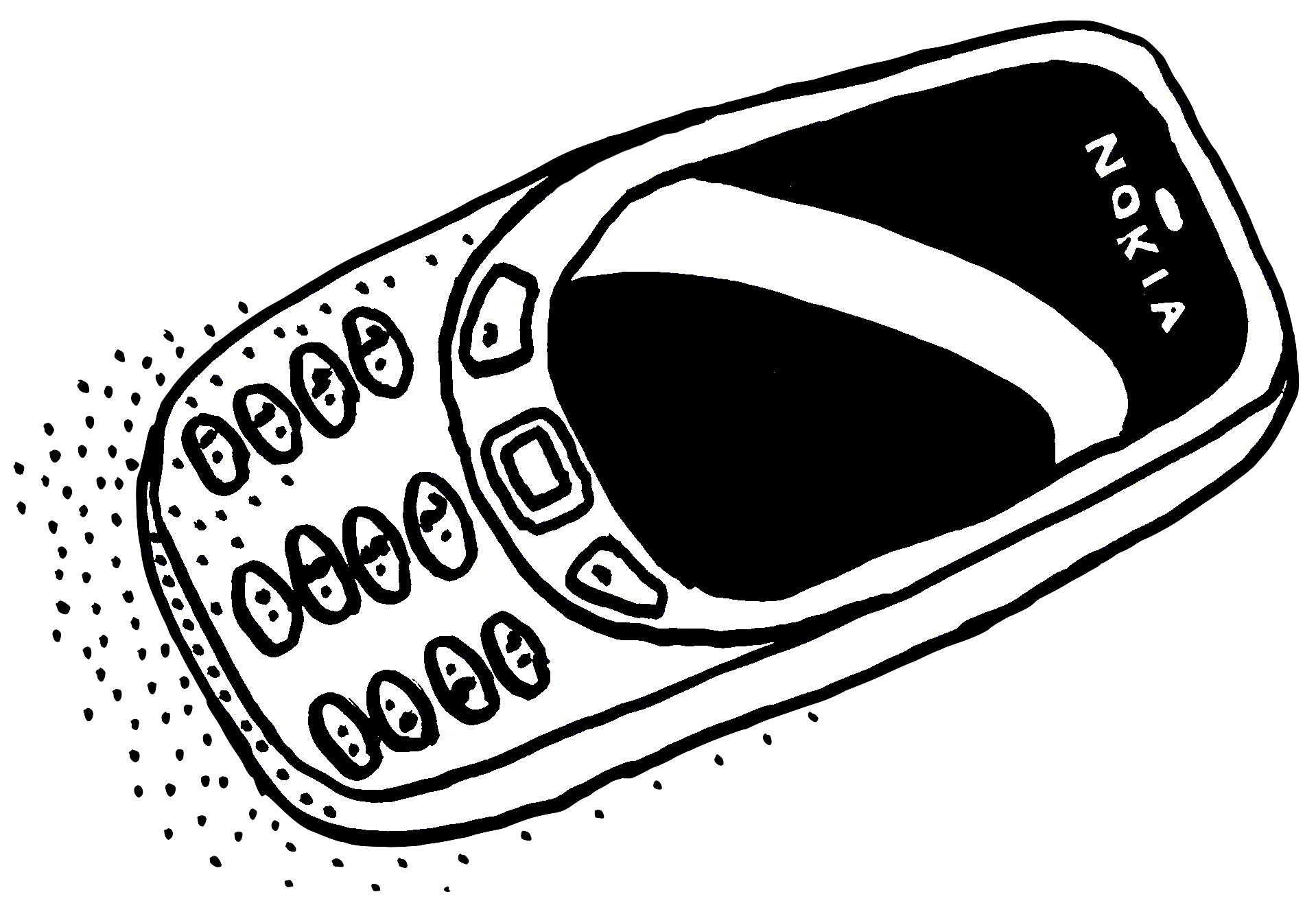
“But how do you use public transport?” With my plastic HSL card. “How do you pay at stores?” With my plastic MasterCard. “How do you do two-factor authentication?” With the 1Password desktop app. “Does that thing have WhatsApp?” No, but it has SMS. Those are the most typical questions. Yet, despite many being surprised by my unusual choice, few have asked why I stopped using a smartphone seven months ago.
Maybe that’s because they get it. Many people I talk to are not fully happy about their relationship with their phones. Most would like to spend less time with them, and some have taken steps to reduce their usage. But we’ve come to rely on these gadgets over the last decade. Not only have they taken over our interpersonal and intellectual lives, but they have a growing role in getting stuff done in the physical world. They seem so indispensable that the thought of living without one feels like a foolish fancy, a reckless whim.
What counts as a smartphone? In my books, the iPhone 15 Pro is a smartphone, whereas the Nokia 3310 3G is not. Considering that I got the latter for $62.51 in 2019, it packs impressive features: a humble camera, music player, radio, flashlight, calculator, alarm clock, stopwatch, voice recorder, unit converter, multimedia messaging, Bluetooth connectivity, and of course, the Snake game. It even has a modest web browser, although it’s practically useless because it can’t render most of today’s sites. What matters to me is that it’s not a portal to unlimited content, and it doesn’t constantly fight for my attention.
A glance at my Nokia phone is often enough, even for strangers, to start a conversation about it. Without a doubt, the cute potato-shaped piece of plastic evokes nostalgia. Those were simpler times when people texted with numeric keys and even called each other. Maybe there’s also a hint of admiration for pursuing an elusive ideal, a spartan struggle against the inevitable. Is it a stunt, a protest, a statement?
Perhaps, but most of my aims for this journey were selfish. I wanted to be free to decide how I spend my time rather than let technology determine what and when I think or do. I wanted to be present in the real world, not just the diverse but deprived remote worlds. I wanted to be at peace with my thoughts, not scared of spending a short while without being entertained.
Over the years, I had already made some arrangements to follow that path. I quit social media to reduce feelings of envy and missing out. I turned off all work-related (and plenty of other) notifications to better disconnect myself in the evenings and weekends. I got a dedicated bedside alarm clock so that I didn’t start every morning with a digital fix. I uninstalled the apps I was compulsively scrolling through, although admittedly, I quickly transferred some of those habits to the web browser.
While those practices made my smartphone usage healthier, it still bothered me. It was like walking on the edge of a pit. The gadget was constantly itching in my pocket, and I had to keep my guard up. Just a small notification or urge to check something could inadvertently set me off on a spree. The idea of getting rid of the thing started occupying my mind.
Some people are eager to point out that ditching your smartphone is not a cure-all, doesn’t address root causes, doesn’t solve systemic problems, blah, blah… But is there much risk in trying? What are they so scared of? They say things like we should train our willpower to use these devices in moderation, and screen time apps help with it. If that works for you, great. To me, it doesn’t sound like a lot of fun. I don’t have a shortage of impulses to control, and I don’t want a digital nanny.
I felt immediate relief when I booted the 3310 and heard the Nokia tune. The iPhone was now disarmed, sitting at the bottom of my backpack without a SIM card. It was a Saturday morning, and I could spend the weekend however I wanted. No more was I tempted to distractedly browse the news or check if my group chats had new messages. If someone had something important, they’d eventually call me.
The first days and weeks of a change are presumably the hardest. I was excited I finally got the guts to do what I had long contemplated, and it helped carry me through. Sure, there were some what-am-I-doing moments, but I mostly knew what to expect since I had done a short experiment the previous year. That said, I had to figure out many daily routines again.
I started using a small notepad for to-dos, grocery lists, and various details. Now, if I’m going to a new place, I use a paper map or write down the most important navigation steps and the public transport I have to take. When I buy tickets online, I either print them or send the QR code to my phone via Bluetooth. I log in to my online bank using a small calculator-looking authentication device. To listen to a podcast, I download it to my laptop, pop open the 3310’s case, remove the battery, take out the Micro-SD card, insert it into an adapter attached to the laptop, transfer the file, and reassemble everything.
A smartphone sure makes all these tasks more convenient, but the side effects are less visible and direct. That doesn’t mean they aren’t substantial. Besides behavior, technology influences also our personalities and perception of reality. It’s a part of us. Over the years, I had become a cyborg: part human, part iPhone — and I wanted to reverse some of that.
Marshall McLuhan, a Canadian philosopher, argued that in addition to extending our capabilities, all tools also “amputate” the associated counterparts of our experience. He writes in his 1964 book Understanding Media: The Extensions of Man:
Any invention or technology is an extension or self-amputation of our physical bodies, and such extension also demands new ratios or new equilibriums among the other organs and extensions of the body. … To behold, use or perceive any extension of ourselves in technological form is necessarily to embrace it. To listen to radio or to read the primed page is to accept these extensions of ourselves into our personal system and to undergo the “closure” or displacement of perception that follows automatically.
We tend to get excited about technology’s extensions while taking little notice of its amputations. Without us asking for it, smartphones have amputated experiences like observing our surroundings, being immersed in thoughts, looking at the clouds, getting lost, asking strangers for help, and enduring awkward silences.
Maybe you can mitigate the undesired consequences. Perhaps you don’t care too much about those, or you conclude the upsides weigh more. That’s fine. It’s just that at least I never considered or could even foresee these effects before I got a smartphone. I made a purchase decision, but it was mostly about things like price and convenience. When upgrading, of course I wanted the most capable one every time.
I’m on the subway, and almost everyone is using their phones intensively. I feel bad for them. Am I being condescending? Perhaps they’re reading Shakespeare. Or maybe they’re just having a good time. What do I know? I’m staring at another passenger’s shoes. The moment feels mundane and boring. But also real.
Oops, I’m looking at someone’s phone over his shoulder. He checks the time, locks the screen, unlocks it, opens Instagram, scrolls over a few photos, closes Instagram, opens Duolingo, closes it before it loads, opens Instagram… I’m not sure if he’s having a good time. It seems quite compulsive to me. And I recognize it. I’ve been there many times.
Boredom. There’s now more of it in my life, as I don’t have constant access to a limitless entertainment device. I feel like the past months have reshaped my mind, and I’ve gotten better acquainted with my thoughts. We get along quite nicely now.
Boredom can feel uncomfortable, and like many uncomfortable things, people avoid it at their peril. Every day, we spend hours on end amusing ourselves with content (often personalized for you by an algorithm subject to Silicon Valley broligarchs or the Chinese Communist Party). If you never get bored, when do you have time for your own thoughts?
My brain is not like a computer: I can’t just maximize its utilization and tell it what to do. It needs space. I believe great things begin from boredom. It helps me rest and prepare for intellectually demanding tasks. I’ve had some of my best ideas when bored.
My change has caused various inconveniences. But has it compromised the things I hold truly important? One such thing I fretted about in advance was connecting with other people. But after explaining to folks I was doing things this way, there was little for them to adapt to. They haven’t complained. I still participate in a few group chats on my laptop, which works fine as they are seldom time-sensitive. I think the overall outcome has been positive since I tend to be more receptive face-to-face when I’m less preoccupied with phone stuff.
Spontaneity was my other concern. I have to make more preparations now that I can’t just leave home and then check where I am going and how to get there. It’s certainly harder to arrange things on the fly without a smartphone, but sometimes it’s a relief. I just try to have a bit more slack in my plans and enjoy the moment. When I don’t have all the information available at all times, it’s easier to settle for something next to me instead of trying to find the perfect place or activity. And I can always call and ask someone.
Naturally, switching phones didn’t fix all my problems. I now use my laptop more, sometimes aimlessly browsing the web or watching YouTube videos. The good thing is that I can leave my computer at home and go for a walk or to the library while staying reachable. Sometimes, I still take out my phone and play Snake. It’s not a great game, but I’m getting quite good at it.
Would I recommend everyone to shelve their smartphones? Jenny Odell, an American writer, points out that any kind of refusal (from the attention economy or otherwise) requires a degree of latitude not everyone might have. Maybe your livelihood depends on it, or the accessibility features are essential to you. But if you don’t see any fundamental obstacles, why not give it a go? Just don’t feel bad if it doesn’t work for you.
Will I stick to this for the rest of my life? I don’t know. I like to do experiments and see where they lead. I suppose there’s no need for me to commit to anything forever. But for now, frankly, I have no desire to go back.
❦ -
Bussipysäkin roskis
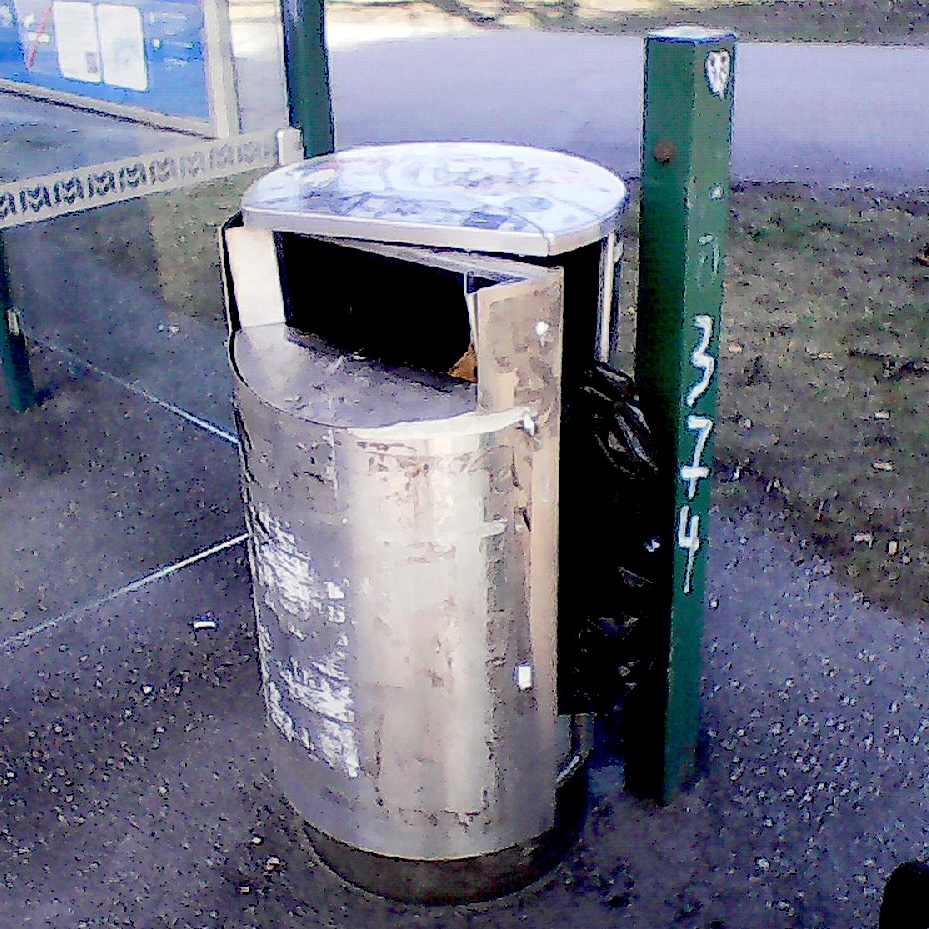 Made with PO-33 K.O!. All samples recorded with the built-in microphone.❦
 -
Rusina glögissä
 Made with PO-33 K.O!. All samples recorded with the built-in microphone.❦
 -
Book review: On Being Nice by The School of Life
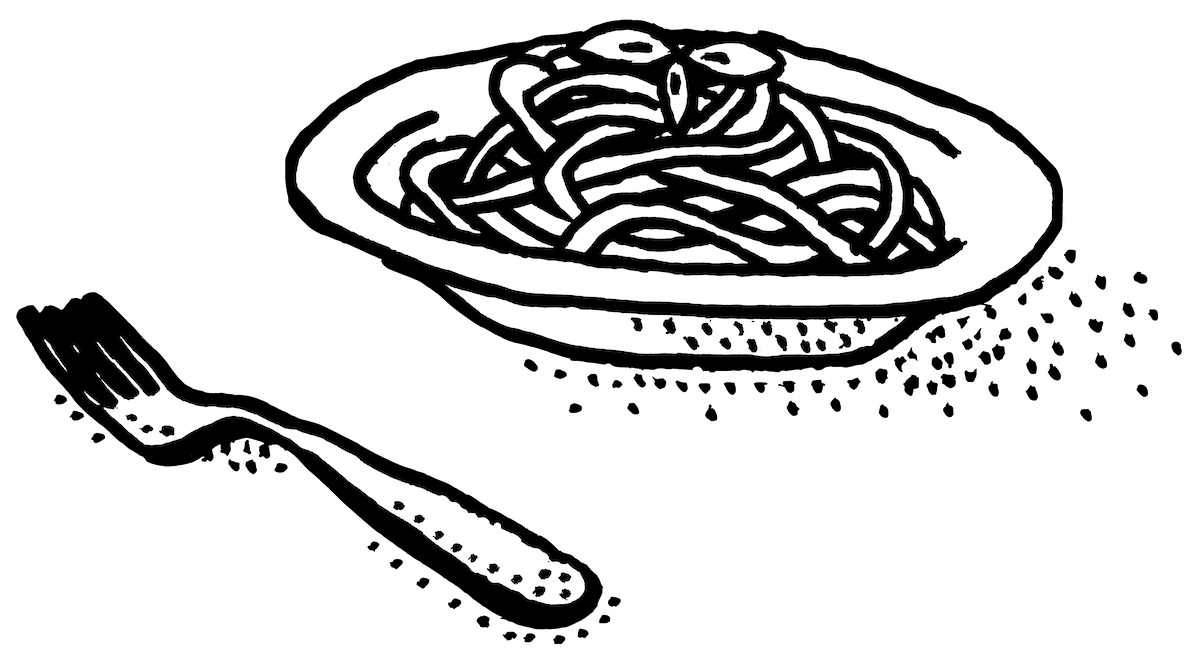
You meet people at a dinner party. The Bore goes on a lengthy rant about the quality of public health care. The Over-Friendly laughs at every joke and endorses every opinion. The Frank says they make tastier pasta in Tuscany. The Mean makes a joke about the shape of your nose. The Shy doesn’t talk to strangers. The Bragger boasts of having recent success in real estate investments.
These days, being nice is … well, nice — but not a priority for most of us. Much of our culture claims niceness is at odds with other important things in life. Christianity sure promotes charity and empathy but tells us we should forget success. Romanticism calls for intensely following our hearts at the expense of sometimes upsetting others. Capitalism frames the world as a competition where only the ruthless and determined survive. Eroticism associates desirability with dominance and confidence.
But perhaps those aims are compatible with being nice. We humans are so vulnerable that success is impossible without other people. Creative fulfillment requires unexciting groundwork. Competitive businesses rely on personal bonds and affection within their organization. Sensual thrill can only happen under the precondition of trust.
What do the dinner guests have in common? Their behavior assumes humans are confident, consistent, stable and rational. But most of us are broken, confused, volatile, insecure and a bit mad. We need validation, reassurance and seeing that others are equally overwhelmed with existence.
The Bore could identify the emotions behind the seemingly impersonal facts. The Over-Friendly could exhibit a deeper understanding of people and what they’re actually proud of. The Frank could acknowledge the subjectivity, fallibility and consequences of candid judgments. The Mean could find other outlets for suffering than being nasty to others. The Shy could recognize the common ground in the human experience behind our differences. The Bragger could demonstrate personal vulnerability to make others feel at ease with their own imperfections.
To be more compassionate at the party, it might help to appreciate “The Weakness of Strength” theory. It states that our characteristic faults are simply the flip sides of our virtues. Someone’s wonderfully unhurried and spontaneous presence might be inextricably linked to their difficulty in making plans and being on time. The next time you get frustrated with people, remember the corresponding qualities you appreciate in them. Or, if you’re making new acquaintances, find their strengths.
On Being Nice by The School of Life. First published in 2017.
❦ -
Creamy dreamy green

Acrylic pour on canvas.
❦ -
Book review: The Myth of Sisyphus by Albert Camus
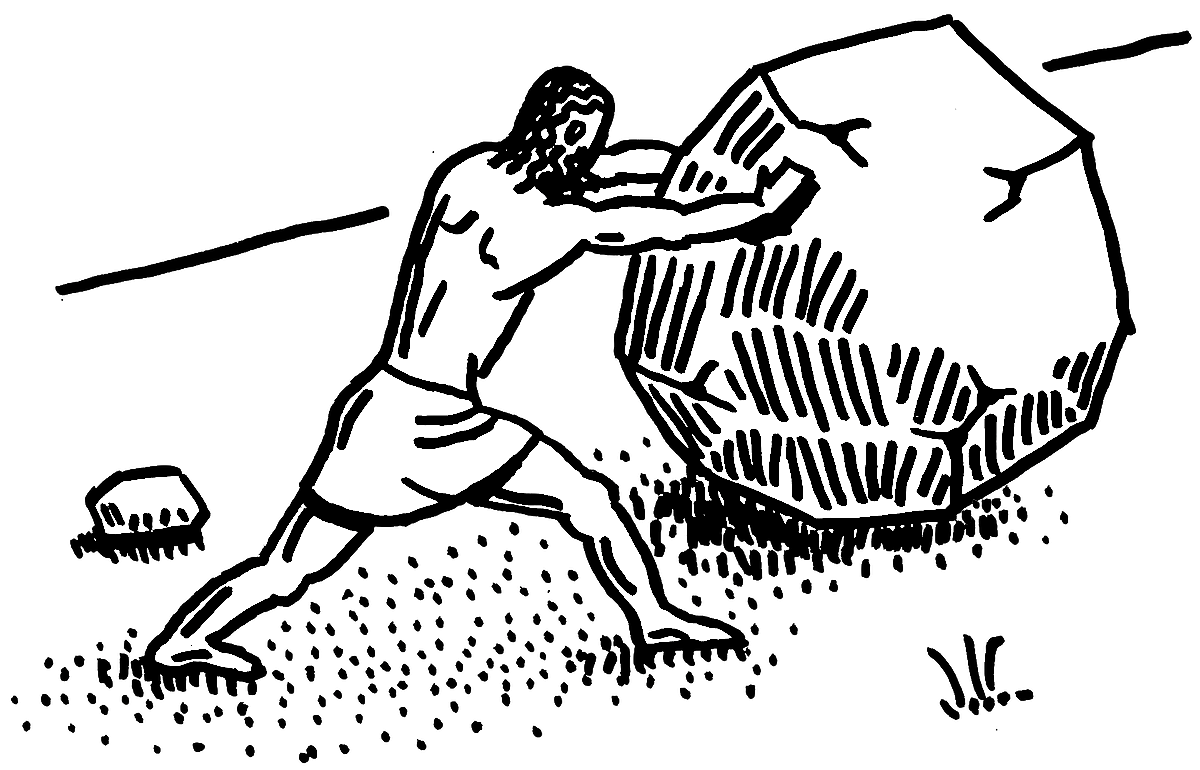
The gods had condemned Sisyphus to ceaselessly rolling a rock to the top of a mountain, whence the stone would fall back of its own weight. They had thought with some reason that there is no more dreadful punishment than futile and hopeless labor.
According to Greek mythology, Sisyphus gets into this situation for his disrespect of gods (stole their secrets), hatred of death (put Death into chains), and love for life (overstayed his temporary resurrection). Maybe so, but those same qualities make him an absurd hero for Albert Camus. He’s living the life he has, not bound by illusions of something more. The lucid hopelessness constitutes Sisyphus’ torture, yet he takes on his fate and thereby turns it into victory. The rock is now his thing.
Is Sisyphus’ condition much worse than ours? After all, what do our efforts and accomplishments ultimately amount to? Sisyphus’ fate is made tragic only by him being conscious of it. But are our lives any less absurd?
Camus thinks the fundamental question of philosophy is whether life is worth living—not least for the actions it entails. If none of the striving and suffering carries eternal meaning, should we just commit suicide to get it over with? No, says Camus, quite the opposite. Life will be lived all the better if there’s no meaning. Living for a transcendent idea or in the hope for an afterlife is not living for life itself.
Our minds relentlessly long for unity, clarity, and certainty. Yet it’s impossible to reduce the world to a rational principle. Camus defines absurd as this fundamental contradiction of what we want and what the world offers to us. Once we become conscious of the absurd, we can’t help but preserve it as the truth, no matter how undesirable it would be. It can’t be replaced with a hope that means nothing anymore.
A stranger to myself and to the world, armed solely with a thought that negates itself as soon as it asserts, what is this condition in which I can have peace only by refusing to know and to live, in which the appetite for conquest bumps into walls that defy its assaults?
Negating either side of the absurd, by trusting universal explanations or rejecting reason altogether, would be escaping the problem. On one hand, science can provide hypotheses that explain but are not certain. On the other hand, we’re certain of our existence but that explains nothing. That being the case, reason still has relative powers as long as we recognize its limits.
To a man devoid of blinders, there is no finer sight than that of the intelligence at grips with a reality that transcends it.
To Camus, fully living life is to profoundly accept it, including the absurd. He believes life gets its value from revolt: defiantly confronting our obscurity, refusing to reconcile. It is not renunciation. Instead of suicide, we should carry on and exhaust everything until the very end.
That revolt is the certainty of a crushing fate, without the resignation that ought to accompany it.
Camus argues there’s no other freedom than the one granted by acknowledging absurdity. After all, our aims and justifications are fundamentally determined by ungrounded convictions of meaning. Life’s apparent purpose urges us to adapt to its demands, making us slaves of our supposed liberty. Understanding this releases us from the beliefs impoverishing our experience and action: absurd freedom emerges. It is not infinite or absolute—but what would that even mean? We can only experience our own freedom—outside ourselves the notion is irrelevant. Camus puts it another way: If God is all-powerful, we’re not free and God is responsible for evil. If we’re free and responsible, God is not all-powerful.
The absurd man thus catches sight of a burning and frigid, transparent and limited universe in which nothing is possible but everything is given, and beyond which all is collapse and nothingness. He can then decide to accept such a universe and draw from it his strength, his refusal to hope, and the unyielding evidence of a life without consolation.
Living according to these ideas doesn’t mean we shouldn’t behave with integrity. Perhaps there’s nothing to build a moral code on but we still have to bear the consequences of our actions. We’re not guilty but we’re responsible. I take this to mean the foundations of ethics are subjective and implicit but important and shared by most to a degree.
Camus’ illustrations of characters embracing the absurd are expending themselves, not living in hope or for the future. Instead of explaining and solving, they are experiencing and describing. Their art is not an escape from the absurd but an expression of it. Their conquest is not advancing a supreme cause but overcoming themselves. Their love is not a participation in something eternal but desire, affection, and intelligence binding to someone.
The Myth of Sisyphus by Albert Camus. Original title: “Le mythe de Sisyphe”. First published in 1942. I read the 1955 English translation by Justin O’Brien.
❦ -
Book review: How to Do Nothing by Jenny Odell
Why do nothing? We have just one life so why not optimize our productivity, maximize our social networks online, and allow algorithms to choose the most engaging content for us? Well, perhaps there’s something not captured by the capitalist notion of productivity. Maybe digital encounters between branded personalities are not the most fulfilling ones. And it could be that what makes content engaging is the anxiety, envy, and agitation it arouses.
When Odell calls for doing nothing, it’s of course “nothing” only from the modern perspectives of productivity and usefulness—the very ideas it’s set to actively resist. Things such as art, non-commercial public spaces, and nature’s ecosystems have immense value for us but are often considered unproductive and are hence regularly under threat. Doing nothing is about stopping to observe, listen, and reflect with the aim to heal from overstimulation and bring about real change.
A manifestation of how the concepts of efficiency and usefulness have ventured from work to reign in people’s free time is what Odell calls the “attention economy”: the commercial social media platforms monetize people’s attention for advertising revenue and thus have a financial incentive to keep their users in a perpetual loop of distraction. This robs us of the time, space, and context needed for creativity and profound conversations. High connectivity allows waves of hysteria to spread rapidly among pre-compatible minds but the informational overload prevents sensitivity—which is needed for growing one’s understanding in a meaningful way.
For many, retreat might seem like a tempting way to avoid the perils of the modern society. Odell presents examples ranging from Epicurus’s garden school in fourth-century BC Athens to the 1960s communal experiments in America. Their members shared a determination to renounce wealth and reputation and to rather free themselves from excessive desires. That was easier said than done. Most of the 60s communes were short-lived due to problems in governance: they quickly found out that politics couldn’t be just simply avoided and replacing them with design would concentrate the power to the leaders.
Odell argues that permanent retreats are still dependent on the wider social fabric and ignore their responsibilities for society unless they engage in dialogue with the outside world. These perspectives can illuminate problems and present alternatives for the mainstream. Instead of total renunciation, the author advocates for periodically stepping away to contemplate and returning to participate.
Another option is “refusal-in-place”: neither assimilating nor fully escaping society. Instead of participating according to the system’s rules, one can exit to another frame of reference such as sarcastic compliance or civil disobedience. However, many don’t have the wiggle room required by this kind of tactic. The author refers to many American workers scared of protesting oppressive working conditions due to nonexistent job security and slim financial buffers. Rosa Parks, famous for refusing to give her seat for a white passenger in the 1955 Montgomery bus boycott, was almost ruined by her arrest and couldn’t find full employment for ten years.
Refusal requires a degree of latitude—a margin—enjoyed at the level of the individual (being able to personally afford the consequences) and at the level of society (whose legal attitude toward noncompliance may vary).
For a modern target of refusal, Odell suggests the attention economy because attention is necessary for any other significant refusal. Yet, the option of outright quitting social media might only be available for people who possess enough social capital and whose livelihoods don’t depend on it. Instead, the author would prefer to find a way to directly challenge the foundations of the attention economy. She suggests we intentionally direct our attention, understand the algorithms trying to manipulate us, and deliberate before acting on social media. I think that’s a tall order when our actions and reactions are logged, measured, and used to find our weak spots by algorithms developed by the most capable technology companies in the world.
Odell acknowledges the problem and recognizes that many experts argue we should focus on making persuasion more ethical instead of relying on users’ self-control. She disagrees on the grounds that the users’ attention shouldn’t be directed based on what’s considered good for them by the designers. That seems a somewhat narrow view of ethical persuasion, leaving out the discussion of which patterns are considered distracting or misleading. Nevertheless, users’ vigilance is probably needed if we want to see a change for the better.
According to Odell, the ultimate goal of doing nothing should be to “wrest our focus from the attention economy and replant it in the public, physical realm” which takes conscious effort. Sustaining attention requires constantly bringing it back to the target, continuously finding new aspects from it. Curiosity allows us to orient outwards from ourselves, looking at things instead of through them, seeing them as they are and not just for their instrumental value. This builds a richer world for us because what we pay attention to renders our reality. The author’s world has been more full of birds since she started bird-watching (which she’d call “bird-noticing” as it’s more about hearing than seeing them).
Open-ended contact with reality not only determines how we see the world but also shapes ourselves. The personal brands built in the attention economy are confident, cohesive, and constant. But rather than an integrated self, each of us is a blend of unconscious stuff happening in our brains, largely determined by interactions with our surroundings. Today’s algorithms surface to us mostly people and content similar to those we know and like, limiting the possibilities to discover new sides of our personalities.
And if we’re able to leave room for the encounters that will change us in ways we can’t yet see, we can also acknowledge that we are each a confluence of forces that exceed our own understanding. This explains why, when I hear a song I unexpectedly like, I sometimes feel like something I don’t know is talking to something else I don’t know, through me. For a person invested in a stable and bounded ego, this kind of acknowledgment would be a death wish. But personally, having given up on the idea of an atomic self, I find it to be the surest indicator that I’m alive.
Attentive observation also exposes us to the context in which things happen, a precondition for truly comprehending a phenomenon. Compare that to digital content feeds where our attention hops from one piece to the next without spatial or temporal neighbors. That not only results in a shallow understanding but is a favorable environment for stirring up quarrels over intentionally surfaced posts that seem offensive out of context. The outcome is a “lowest-common-denominator philosophy of sharing”, limiting us to topics safe for anyone from family and friends to employers and enemies. Furthermore, Odell finds that changing our minds—generally a good thing to do when we learn more about something—is often framed as a weakness online, also contributing towards monolithic and timeless personal brands.
We can see that social media is not a replacement for private face-to-face discussions with intention, attention, and context. But can we fix it? The author shows tentative interest towards a handful of nascent decentralized social networks without business models dependent on catalyzing toxic user behavior. Then again, maybe more importantly, she argues for taking our eyes off the screens and discovering the world. After all, our fates are interlinked to the living beings (not just humans) around us.
Ultimately, against the placelessness of an optimized life spent online, I want to argue for a new “placefulness” that yields sensitivity and responsibility to the historical (what happened here) and the ecological (who and what lives, or lived, here).
How to Do Nothing: Resisting the Attention Economy by Jenny Odell. First published in 2019.
❦ -
Book review: Courage to Be by Paul Tillich
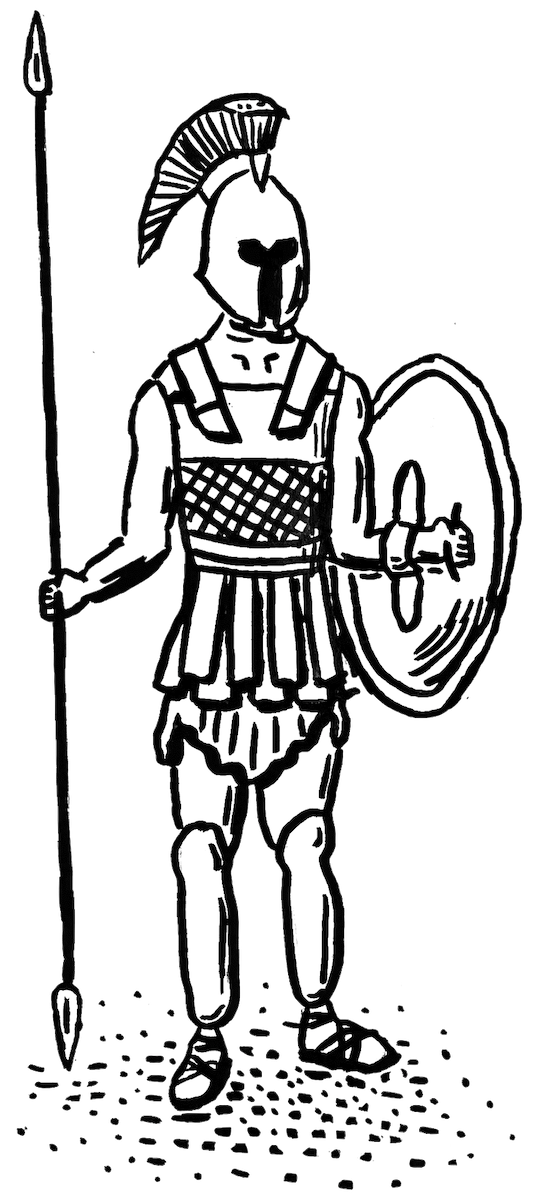
In Plato’s dialogue Laches, Socrates is trying to define courage with military general Nikias, who suggests it is the knowledge of “what is to be dreaded and what dared”. While not able to provide a better alternative himself, Socrates points out that acting truly courageously would then require a universal understanding of good and evil. The philosopher finds the explanation inadequate because it would make courage amount to all virtue while he maintains it should be just a part of virtue.
Tillich doesn’t mind that. He thinks all attempts to explain courage lead to the question of the nature of being. Tillich argues courage is an expression of self-affirmation, something “in which a being fulfills its potentialities or actualizes its perfections”. And that’s what virtue is all about.
Furthermore, courage has the character of “in spite of”. Courage is self-affirmation in spite of life’s ambiguity and whatever conflicts with it. This self-affirmation may require sacrificing elements of our being if they would ultimately prevent us from reaching fulfillment—including even our very existence.
Since the greatest test of courage is the readiness to make the greatest sacrifice, the sacrifice of one’s life, and since the soldier is required by his profession to be always ready for this sacrifice, the soldier’s courage was and somehow remained the outstanding example of courage.
Conventionally, courage is described as the power of the mind to overcome fear. What’s underlining every fear is anxiety. The distinction is that fear has a definite object which can be acted upon whereas anxiety doesn’t. For example, anxiety about death can manifest as the fear of getting killed by sickness or an accident—something that can be “faced, analyzed, attacked, endured”. Tillich asserts anxiety is exclusively (setting neurotic anxiety aside) the state of being aware of one’s own eventual nonbeing and has bad news for you: it belongs to existence itself and can’t be eliminated.
Anxiety strives to become fear, because fear can be met by courage. It is impossible for a finite being to stand naked anxiety for more than a flash of time.
Tillich distinguishes three (not mutually exclusive) forms of anxiety. The anxiety of fate and death is caused by the awareness of life’s contingency and the complete loss of self at our biological extinction. The anxiety of emptiness and meaninglessness is evoked by the lack of an answer to the spiritual question of the meaning of existence, that on which all other meanings are built. The anxiety of guilt and condemnation is induced by the unavoidable deviations from acting according to our sense of moral responsibility.
All three types of anxiety contribute to despair, the utterly hopeless situation. Nonbeing is felt as absolutely victorious, but ironically, enough being is left to feel it. The sufferer desperately wants to surrender the awareness of nonbeing. So, why is suicide not an option? Tillich thinks anxiety of fate and death could be possibly escaped by voluntary death but for most of us, the finite act of self-negation is not enough to defeat the infinite weight of guilt and condemnation together with emptiness and meaninglessness. Perhaps this is a philosophical way of framing our biologically hard-wired survival instinct.
If life is as meaningless as death, if guilt is as questionable as perfection, if being is no more meaningful than nonbeing, on what can one base the courage to be?
How can courage arise from despair? Tillich thinks the only possible answer is that accepting despair is in itself faith, which is the basis of the courage to be. Contrary to many popular notions, Tillich asserts faith is not a theoretical opinion or belief in something uncertain, but the state of accepting that something transcends ordinary experience. Faith is simply faith. It has been deprived of content by doubt and meaninglessness.
Tillich insists faith must be understood through the courage to be and its two inseparable constituents: to be as oneself and to be as a part. The courage to be as oneself is affirming the indivisible, centered self—the one threatened by nonbeing. The courage to be as a part is self-affirmation by participating in the world—or, as Tillich calls it, “being-itself”. Neither of these two poles is enough by itself. Radical participation leads to the loss of self and radical individualization leads to the loss of the world. Both individualization and participation have to be transcended for absolute faith.
Tillich deconstructs several ideologies in the book, illustrating the concepts and proving their usefulness. Christianity gets dissected perhaps the most. It presents a doctrine where courage is subsumed under faith in cosmic salvation (note the discrepancy to Tillich’s usage of the terms). The anxiety of fate and death is conquered by participating in the divine Jesus Christ who has taken the burden upon himself. The anxiety of emptiness and meaninglessness is partially suppressed by authoritatively imposed answers, requiring to surrender the right to ask and to doubt. The anxiety of guilt and condemnation—roused by sin, purgatory, and hell—is originally the most prominent. This gets addressed by Luther in Reformation, introducing direct personal encounter with God, bypassing the institutional church, along with total and immediate certainty of acceptance and forgiveness. This courage is personal, yet rooted in infinity, thus embodying and surpassing both the courage to be as oneself and the courage to be as a part.
Finally, Tillich calls for transcending theism. God as an all-powerful and all-knowing subject makes us into objects deprived of our subjectivity. Faith is not just union with the ground of being or personal encounter with God. Faith is accepting the “God above God” who is not a being but being-itself. Faith is the experience of self-affirmation through which we participate in being-itself.
The courage to be is rooted in the God who appears when God has disappeared in the anxiety of doubt.
Courage to Be (The Terry Lectures Series) by Paul Tillich. First published in 1952.
❦